
Five Predictions for Commercial Real Estate in 2026
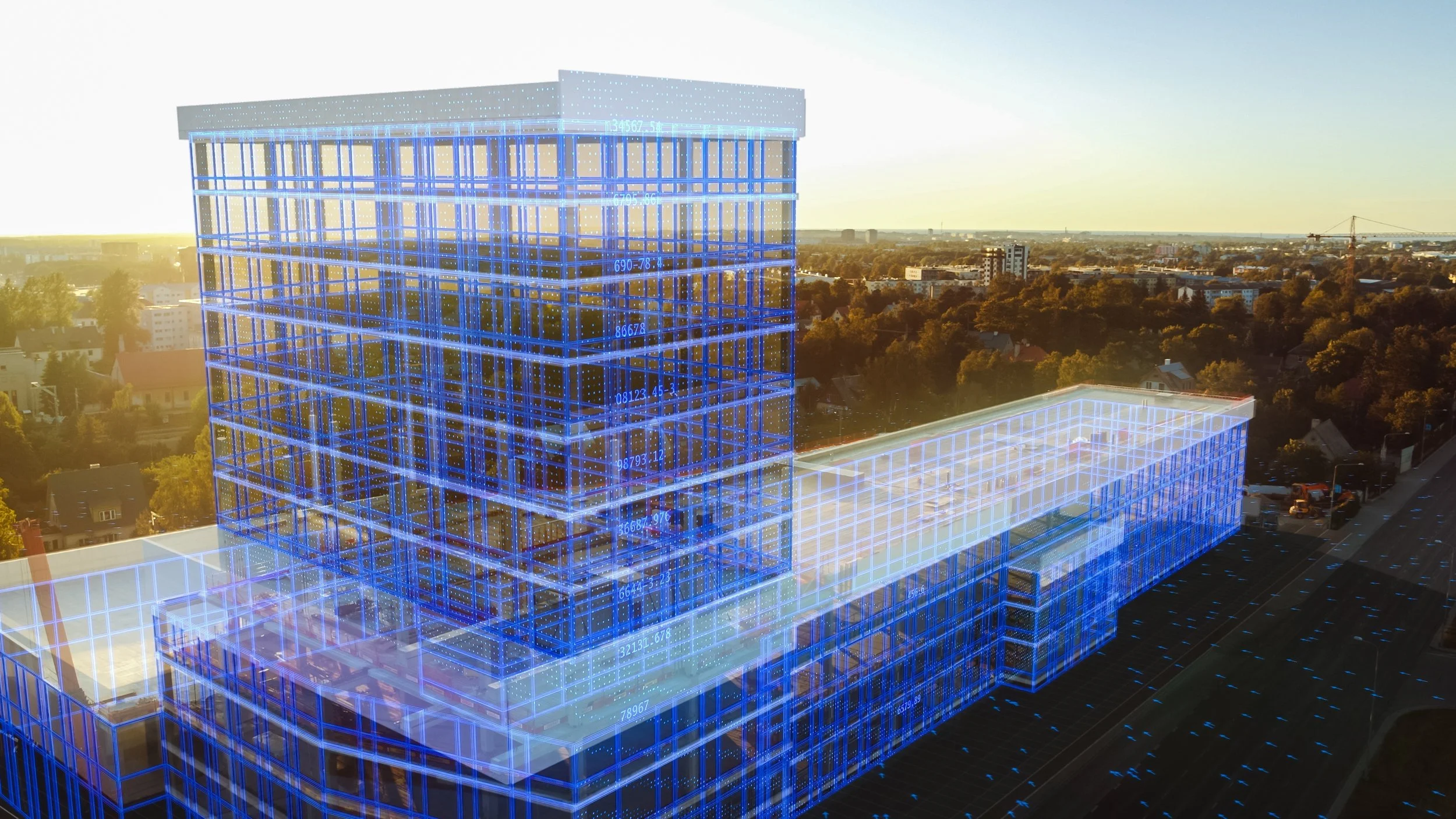
Commercial real estate is entering 2026 in a period of recalibration. The disruptions of the past few years — remote work, shifting consumer behavior, higher interest rates, and the dominance of e-commerce — have permanently reshaped how assets are designed, financed, and operated. Instead of returning to “normal” after these disruptions, the commercial real estate industry is adapting to a new reality that rewards flexibility, resilience, and smarter risk management.
Here are five predictions that will define commercial real estate in 2026.
1. Hybrid Work Drives Office Evolution, Not Extinction
By 2026, the debate over whether offices are “dead” will finally fade. Hybrid work, which combines work from home flexibility with in-office time, is no longer an experiment — it’s the norm — and office spaces will continue evolving accordingly. The focus in the office sector will shift from maximizing square footage to maximizing purpose.
Expect to see:
Offices designed for joint use, collaboration, training, and culture-building
Smaller footprints paired with higher-quality amenities
Flexible lease structures that accommodate fluctuating headcounts
Buildings that support intentional, high-value in-person work will remain competitive, while outdated, inflexible office spaces will likely continue to struggle.
2. Retail Rebounds with Community-Driven Experiences
Retail in 2026 will be less about transactions and more about connection. As e-commerce matures, physical retail that offers experiences consumers can’t replicate online will outperform traditional models.
Key trends include:
Community-centered retail hubs featuring local and service-based tenants
Increased use of pop-ups and short-term leases to keep spaces dynamic
Retail integrated into mixed-use developments alongside residential, office, and entertainment uses
Despite the dominance of e-commerce, retail real estate spaces aren’t disappearing — they’re becoming more intentional, localized, and experiential.
3. ESG Performance Directly Impacts Value and Capital Access
Environmental, Social, and Governance (ESG) considerations will move firmly from marketing language to financial reality in 2026. Investors, lenders, and tenants alike will increasingly favor assets that demonstrate strong sustainability and governance practices.
This will translate into:
Higher demand and pricing for energy-efficient, climate-resilient buildings
Preferential financing terms for assets with measurable ESG performance
Greater pressure on owners of non-compliant properties to retrofit or reposition
In 2026, ESG will add or reduce commercial property value depending on how seriously it’s addressed.
4. Industrial and Logistics Remain Strong — with Urban Proximity in Focus
Industrial real estate will continue to be one of the strongest-performing asset classes, but demand will increasingly shift toward last-mile and near-urban facilities. Speed, efficiency, and proximity to consumers will outweigh sheer scale.
Expect:
Continued demand for smaller, flexible industrial properties
Increased competition for land near transportation corridors and population centers
More adaptive reuse of obsolete retail and office properties for logistics purposes
This year, the most in-demand industrial properties will be those that enable faster delivery and operational flexibility.
5. Title Companies Will Be Strategic Risk Partners
As commercial real estate transactions grow more complex, the best title companies will not only provide title insurance and escrow services, they will also serve as strategic risk-management partners to stakeholders. In 2026, proactive diligence will be critical to protecting capital and avoiding costly delays.
Trends to watch:
Earlier involvement of title professionals in the deal lifecycle to identify easements, encroachments, and use restrictions
Increased demand for endorsements and expanded coverage in commercial transactions
Greater use of technology-driven title searches and digital closings
Heightened scrutiny of access rights, zoning conflicts, historical use, and climate-related risks, especially as assets are re-designed to meet the current landscape
In a more selective capital environment, title clarity and comprehensive title insurance will be seen not just as a closing requirement, but as a key component of asset protection and long-term value. Title companies that are able to serve as advisors in complex transactions will stand out.
Conclusion
In 2026, commercial real estate players that embrace flexibility, purpose-driven design, sustainability, and proactive risk management will thrive. Rather than waiting for old models to return, forward-thinking professionals will focus on building and re-purposing assets that align with how people work, shop, and live today.