
The Expansion of AI Data Centers in Texas: Real Estate Implications for a Growing Digital Economy
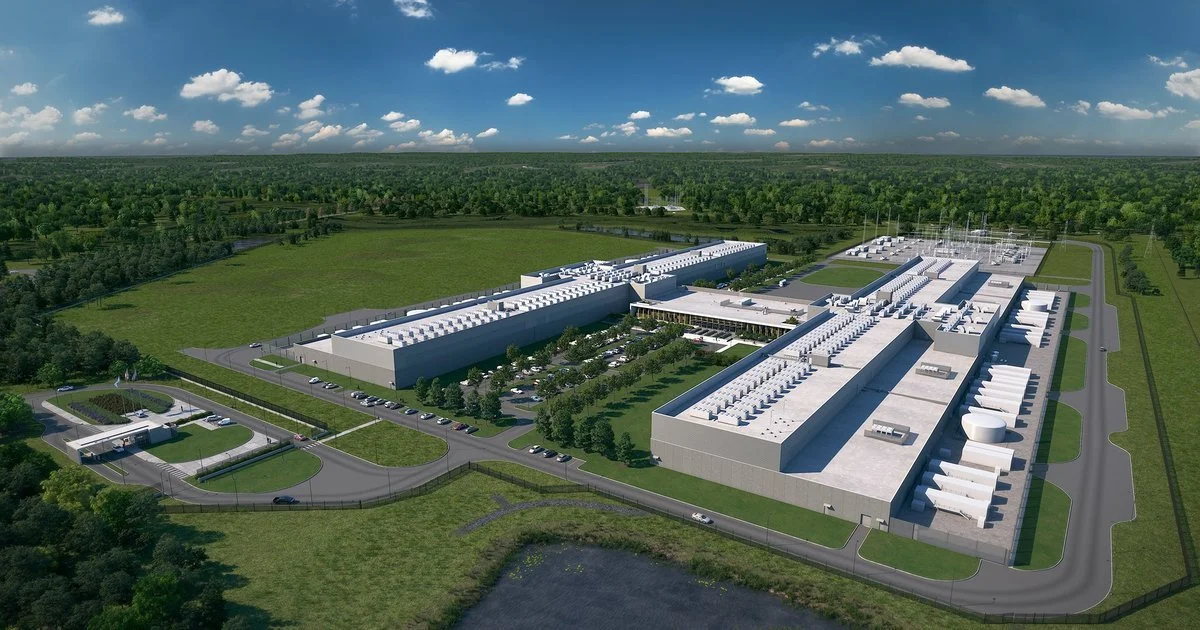
Artificial intelligence is reshaping industries across the globe, and Texas is quickly becoming one of the most important real estate markets supporting that transformation. The rapid expansion of AI-driven data centers across the state is creating new opportunities and challenges for developers, investors, utilities, and local communities.
For stakeholders in commercial real estate, understanding this trend is essential.
Texas Is Emerging as a Global Data Center Hub
Texas is projected to become the largest data center market in the United States within the next few years, driven largely by demand for artificial intelligence infrastructure. Companies are increasingly choosing Texas because of its relatively inexpensive land, abundant natural gas, and business-friendly regulatory environment. Recent reporting from the Texas Tribune highlights how the state’s power capacity and economic incentives are attracting major technology investment.
The scale of growth is significant. Analysts estimate that Texas already has hundreds of data centers, and demand could push electricity consumption from these facilities beyond 40 gigawatts by 2028, a massive increase compared to current levels. As discussed in a recent Texas Public Radio podcast episode discussing AI infrastructure growth in the state, some forecasts suggest Texas data centers could increase by as much as tenfold by 2030, with major implications for land use and infrastructure development statewide. Texas is just one state with booming data centers. As noted by the American Association for Advancement of Science (AAAS), AI computing needs are accelerating data center development nationwide.
Why Texas Real Estate Is Attractive for AI Infrastructure
Several core real estate factors are driving the surge:
1. Large Tracts of Available Land
AI and hyperscale data centers require significant acreage, often hundreds of acres per campus. Rural and exurban Texas markets offer significant available land, including opportunities for phased development, as well as relatively low acquisition costs and zoning constraints. Rural areas are especially attractive because of the availability of large parcels and fewer competing land uses.
2. Energy Access and Infrastructure
Power availability has become one of the most critical site-selection criteria for data centers.
Texas offers:
Competitive electricity prices due to a deregulated market
Access to both natural gas and renewable energy
Ability to build on-site generation facilities
According to industry research from CBRE, power access is now the primary constraint in many data center markets, making Texas particularly attractive because of its energy resources.
3. Tax Incentives and Pro-Business Policies
State and local incentives significantly influence development decisions. Programs that could apply to qualifying data projects include:
Sales and use tax exemptions on equipment and electricity
Performance-based grants through the Texas Enterprise Fund
These incentives can potentially reduce development costs and improve project feasibility for large-scale digital infrastructure.
4. Fiber Connectivity and Geographic Position
Texas sits at a strategic crossroads for national and international fiber networks, making it ideal for low-latency data transmission. Combined with proximity to major population centers, this supports regional and global digital demand.
Real Estate Market Impacts
The growth of AI infrastructure is already influencing commercial real estate markets across Texas. Indeed, large technology companies are competing with residential developers for land, particularly near major metro areas. This competition is contributing to rising land prices and impacting development decisions.
Data centers are becoming a major driver of industrial construction activity nationwide. Industry analysis from JLL notes that hyperscale data center demand is accelerating industrial land absorption and infrastructure investment across multiple U.S. markets.
Data center developers are increasingly targeting industrial-zoned land, former industrial sites, and, critically, areas near substations or transmission corridors in order to maximize access to power and speed of delivery.
Challenges and Considerations for Data Center Developers
Despite strong demand, the sector presents unique risks:
1. Power Constraints
The Texas grid may require substantial expansion to support projected data center growth, creating uncertainty around timelines and interconnection approvals. ERCOT has announced it will publish planning updates addressing rising demand from large industrial users, including data centers.
2. Water Usage and Environmental Concerns
Cooling requirements for large AI facilities can strain local water resources, especially in drought-prone regions.
3. Community Pushback
Some communities are raising concerns about:
Land consumption
Utility costs
Noise and environmental impact
These factors can affect project timelines and feasibility. Community resistance to large-scale data center development has been gaining national attention. A recent episode of The New York Times podcast The Daily discussed how some rural communities across the United States are pushing back against proposed AI data center projects due to concerns about infrastructure demands, environmental impacts, and whether promised economic benefits will materialize.
Long-Term Outlook for Texas Real Estate
AI infrastructure is not a short-term trend — it represents a structural shift in the economy. Texas is positioned to be one of the primary beneficiaries due to its combination of land availability, energy resources, and favorable business climate.
For commercial real estate stakeholders, data centers represent:
A new asset class with institutional capital interest
Opportunities for land acquisition and infrastructure partnerships
Increased demand for industrial and utility-adjacent properties
Potential spillover development in surrounding markets
As artificial intelligence adoption accelerates, the intersection of technology and real estate will continue to reshape development patterns across Texas.